Understanding the Rohingya Genocide Case
- Jeannie Romain

- Mar 12
- 4 min read
The Rohingya genocide case is one of the most tragic and complex human rights crises of our time. It involves a systematic campaign of violence, displacement, and discrimination against the Rohingya people, a Muslim minority group in Myanmar. As I explore this topic, I want to share with you the key facts, legal battles, and ongoing challenges surrounding this case. Together, we can better understand the gravity of the situation and why it demands our attention.
What Happened to the Rohingya?
The Rohingya have lived in Myanmar’s Rakhine State for generations. Yet, they have faced decades of persecution, denied citizenship, and subjected to severe restrictions on movement, education, and healthcare. The situation escalated dramatically in August 2017, when Myanmar’s military launched a brutal crackdown following attacks by Rohingya militants.
This military operation led to widespread killings, rapes, and the burning of villages. Over 700,000 Rohingya fled to neighboring Bangladesh, creating one of the largest refugee crises in recent history. The United Nations described the military’s actions as a “textbook example of ethnic cleansing.”
The scale and nature of the violence raised urgent questions about accountability and justice. Was this a case of ethnic cleansing, or did it meet the legal definition of genocide? Understanding these distinctions is crucial.
The Rohingya Genocide Case in International Law
The term genocide carries a specific legal meaning. It refers to acts committed with the intent to destroy, in whole or in part, a national, ethnic, racial, or religious group. This includes killing members of the group, causing serious harm, inflicting conditions to bring about physical destruction, preventing births, or forcibly transferring children.
In the Rohingya case, multiple reports and investigations have documented evidence of these acts. The International Court of Justice (ICJ) took up the case after The Gambia, a country in West Africa, filed a lawsuit against Myanmar in 2019. The Gambia accused Myanmar of violating the Genocide Convention by targeting the Rohingya.
The ICJ proceedings have been closely watched worldwide. They involve detailed examination of military actions, government policies, and witness testimonies. The court’s role is to determine whether Myanmar is responsible for genocide and to order measures to prevent further harm.
This legal process is slow and complex. But it represents a vital step toward justice for the Rohingya people. It also sets a precedent for how the international community can respond to mass atrocities.
The Human Impact Behind the Headlines
Numbers and legal terms can sometimes obscure the human suffering behind this crisis. When I read about the Rohingya genocide case, I remind myself that these are real people - families torn apart, children growing up in refugee camps, and communities struggling to survive.
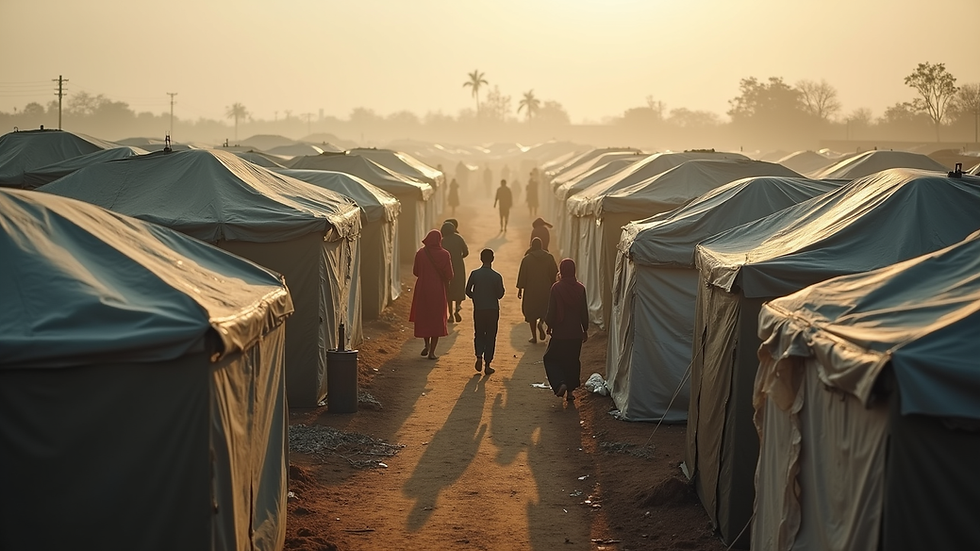
The refugees face harsh conditions in overcrowded camps. Access to clean water, education, and healthcare remains limited. Many live in fear of being forced to return to Myanmar, where they risk further violence.
Understanding the human impact helps us see why the case matters beyond legal arguments. It calls on us to support humanitarian aid, advocate for refugee rights, and push for lasting solutions.

Why the Rohingya Genocide Case Details Matter
If you want to dive deeper, the rohingya genocide case details provide a comprehensive look at the evidence, legal arguments, and court decisions. These details reveal the complexity of proving genocide and the challenges of international justice.
For example, the case highlights how governments may deny or downplay atrocities. It shows the importance of documentation by journalists, human rights groups, and survivors. It also underscores the role of international law in holding perpetrators accountable.
By understanding these details, you gain insight into how global justice mechanisms work - and why they sometimes struggle to deliver swift outcomes. This knowledge empowers you to engage in informed discussions and support efforts to prevent future genocides.
What Can We Learn and Do?
The Rohingya genocide case teaches us several important lessons:
The power of international law: Legal frameworks exist to protect vulnerable groups, but they require political will and cooperation to be effective.
The importance of evidence: Documentation and witness accounts are crucial in exposing crimes and seeking justice.
The need for global solidarity: Refugees and victims need support from the international community, not isolation.
The role of awareness: Educating ourselves and others helps keep attention on ongoing crises and pressures governments to act.
If you want to contribute, consider supporting reputable humanitarian organizations working with Rohingya refugees. Stay informed through credible news sources and share accurate information. Advocate for policies that uphold human rights and protect minorities worldwide.
The Rohingya genocide case is not just a distant legal battle. It is a call to conscience. It reminds us that justice, dignity, and humanity must prevail.
Understanding this case is a step toward empathy and action. I hope this exploration has given you clarity and motivation to learn more. Together, we can help ensure that the voices of the Rohingya are heard and that such tragedies are never repeated.