The World Economy Is Growing. The Room to Choose Is Shrinking.
The global economy is still expanding, but the headline number hides a more consequential shift: growth, trade and investment are no longer moving together in ways that give every country the same room to choose its future. UN Trade and Development's Trade and Development Report 2026 projects world output growth of 2.6 percent this year, down from 2.9 percent in 2025. That is growth, but it is also a warning about who can convert activity into lasting development.
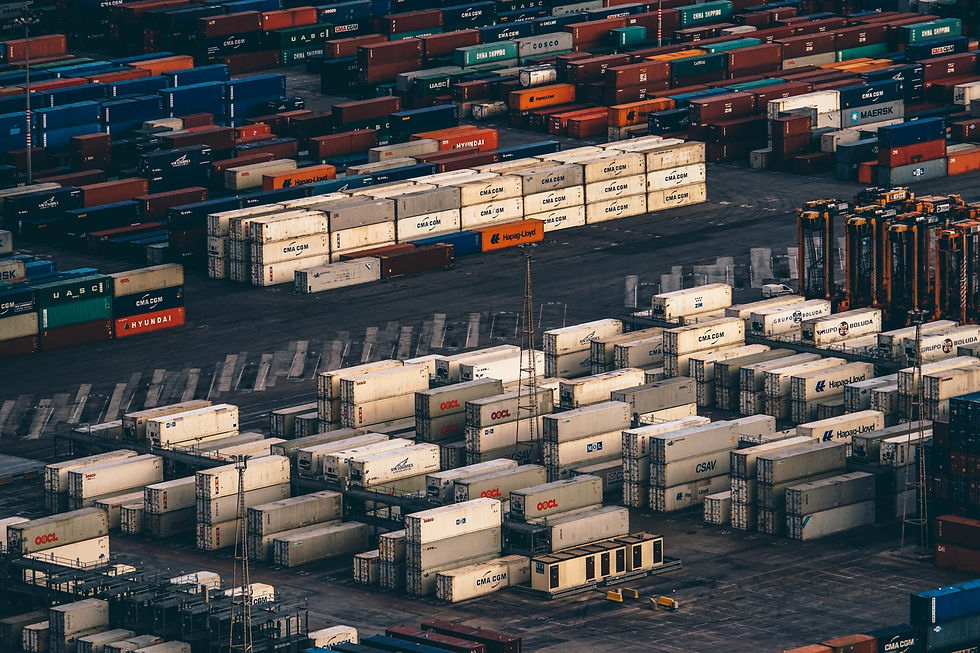
Trade offers the first paradox. Goods and services trade grew 4.4 percent in real terms in 2025 and is projected to expand about 4 percent in 2026, faster than output. Yet UNCTAD says higher prices have driven much of the recent rise in trade value. A larger invoice is not automatically a larger opportunity, especially when energy, financing and imported inputs are also more expensive.
The second paradox is geographic. According to UNCTAD's October 9 release, Asia is expected to generate 59 percent of global growth in 2026. India is projected to expand by 7.3 percent, Indonesia by 5.2 percent and China by 4.5 percent. Those figures matter, but they do not describe a synchronized recovery. They describe a world in which momentum is concentrated, while many developing economies face weaker demand, costlier finance and less room for public investment.
Geoeconomics changes the meaning of growth
UNCTAD frames the moment through geoeconomics, the use of trade, finance, technology and control over strategic resources as instruments of power. The report points to artificial intelligence infrastructure, clean-energy technologies, critical minerals, trade barriers and energy shocks as arenas where economic policy and geopolitical strategy increasingly overlap.
That overlap changes what a growth forecast can tell us. A country may export more while remaining dependent on imported technology. It may host mineral extraction without building processing capacity. It may attract capital that can leave quickly, or borrow in a currency it does not control. Output can rise while the ability to set industrial, fiscal and social priorities narrows.
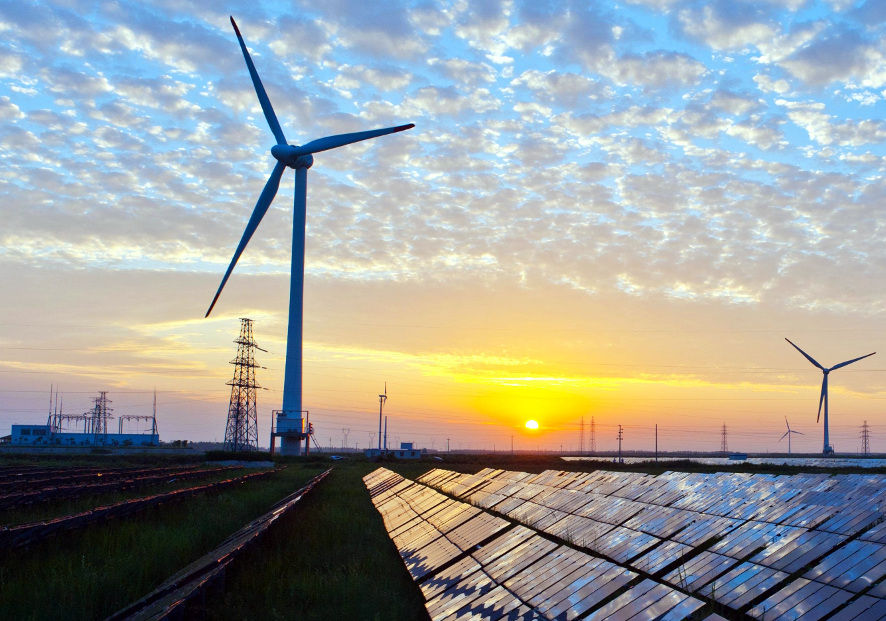
This is why the report's policy recommendations are more structural than cyclical. UNCTAD urges developing countries to prioritize key sectors, diversify their trade profiles and advance the energy transition. The point is not to withdraw from the global economy. It is to avoid entering it only as a price taker, raw-material supplier or destination for volatile capital.
A strong region can still contain weak positions
Asia's projected contribution is easy to read as a single success story. It is more useful to read it as evidence of different capabilities within the same region. Large domestic markets, manufacturing depth, public investment and established supply chains can soften external shocks. Smaller economies may face the same global demand but bargain from a different position.
The distinction matters because trade policy now reaches far beyond tariffs. Export controls can determine access to advanced chips. Subsidies can pull clean-energy manufacturing toward richer markets. Procurement rules can shape which firms scale. Standards can become gateways to entire regions. The legal form may be neutral, but the economic effect depends on whether a country has the capital, institutions and infrastructure to respond.
Debt adds another limit. UNCTAD's World of Debt 2026 reports that global public debt reached $111 trillion in 2025 and emphasizes that developing countries pay more to borrow. When debt service absorbs revenue, governments have less capacity to invest in schools, health systems, ports, grids or technology. The cost is not only slower growth. It is a shrinking menu of choices.
Development policy is becoming a contest over options
The most important question raised by the 2.6 percent forecast is therefore not whether the world avoided recession. It is whether countries can still use growth to build resilience. A percentage point does not reveal who owns the productive assets, who controls the technology, who bears the financing risk or who can act when the next shock arrives.
That is the sharper meaning of UNCTAD's report. The world economy may be growing, but the distribution of policy space is becoming more unequal. Development now depends not only on participating in trade, but on retaining enough institutional and financial power to decide what participation is for.