Roald Dahl Day Still Has a Roald Dahl Problem
Roald Dahl Story Day arrives each September with costumes, classroom readings and characters that have outlived their creator. The books remain funny, frightening and irresistible to generations of children. The author also left a record of explicit antisemitic remarks that cannot be edited out of his biography.
The uncomfortable truth is that both facts can stand at once. A culture mature enough to keep reading Dahl should also be mature enough to discuss what he said and why it matters.
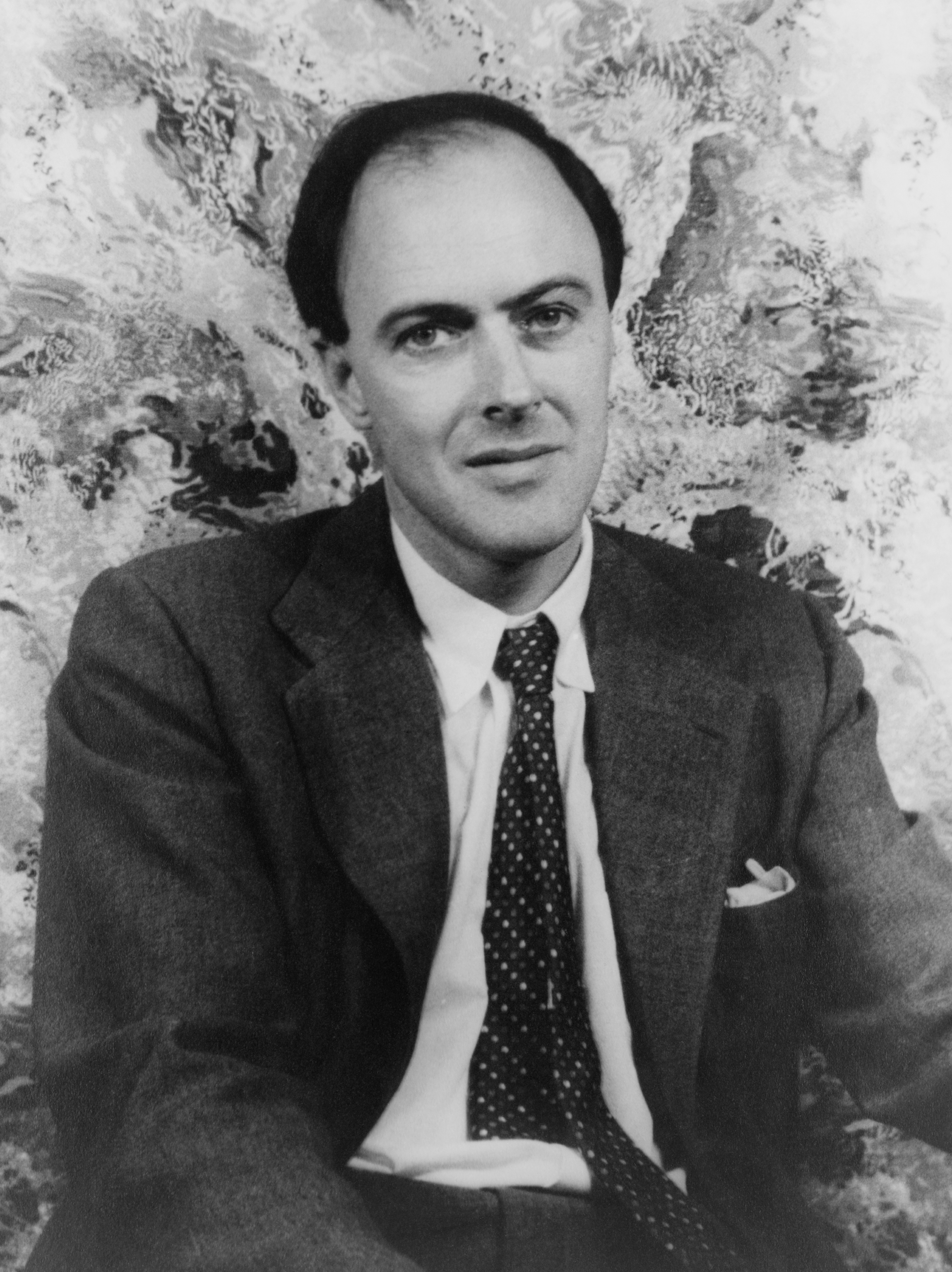
The books and the man
Dahl's stories give children power over cruel adults, celebrate inventive language and understand that childhood can contain fear as well as wonder. Their popularity is not an accident. Neither is the criticism surrounding their author.
In 2020, Dahl's family and the company managing his legacy apologized for antisemitic statements he made during his life. The apology described those remarks as prejudiced and acknowledged the hurt they caused. That statement matters because it rejects the idea that artistic achievement cancels moral responsibility.
Editing the books created a second argument
A separate controversy erupted in 2023 when Puffin altered language in new editions of Dahl's books, changing descriptions involving weight, gender and other traits. Critics argued that the revisions rewrote an author's work without giving readers a clear sense of what had changed.
After the backlash, the publisher said it would continue offering classic editions alongside the revised versions. That compromise exposed two different questions that are often confused. One is whether old books should be discussed critically. The other is whether publishers should silently change them.
Context is not cancellation
Keeping a book available does not require presenting it without context. Libraries, teachers and parents already help young readers navigate historical language, stereotypes and the distance between a work's creation and the present.
Context can be direct. It can explain the author's prejudices, identify harmful depictions and invite readers to compare interpretations. That approach trusts young people more than pretending difficult facts do not exist.
Who owns a story after it becomes a world?
Dahl's characters now belong to a large commercial universe of films, stage productions, merchandise and streaming adaptations. Netflix acquired the Roald Dahl Story Company in 2021, making the legacy not only literary but corporate.
That scale gives the people managing the work unusual influence over how future audiences encounter it. Preserving the text, acknowledging its context and avoiding the transformation of criticism into a marketing slogan are all parts of responsible stewardship.
A better way to celebrate
Roald Dahl Day does not need to become either a ritual of condemnation or an exercise in denial. Read the books. Notice what works. Discuss what does not. Tell children the truth about how art can be imaginative while its maker holds ugly beliefs.
Beloved stories do not become weaker when readers ask hard questions. They become part of a richer education, one in which enjoyment and judgment are allowed to share the same page.

