Nicaragua Is Abolishing Elections. The Warning Is Bigger Than One Country
Updated: Jul 25
“There won’t be any more elections.”
Daniel Ortega said those words in Managua on July 19. Within days, Nicaragua’s legislature began acting on the promise. The government was no longer merely accused of manipulating a vote. It was moving to remove national elections from the political calendar altogether.
That distinction matters. Authoritarian systems rarely announce themselves in one clean break. They narrow competition, punish dissent, rewrite institutions and normalize emergency. By the time the ritual of voting disappears, much of the democratic substance has already been stripped away.
WHAT CHANGED
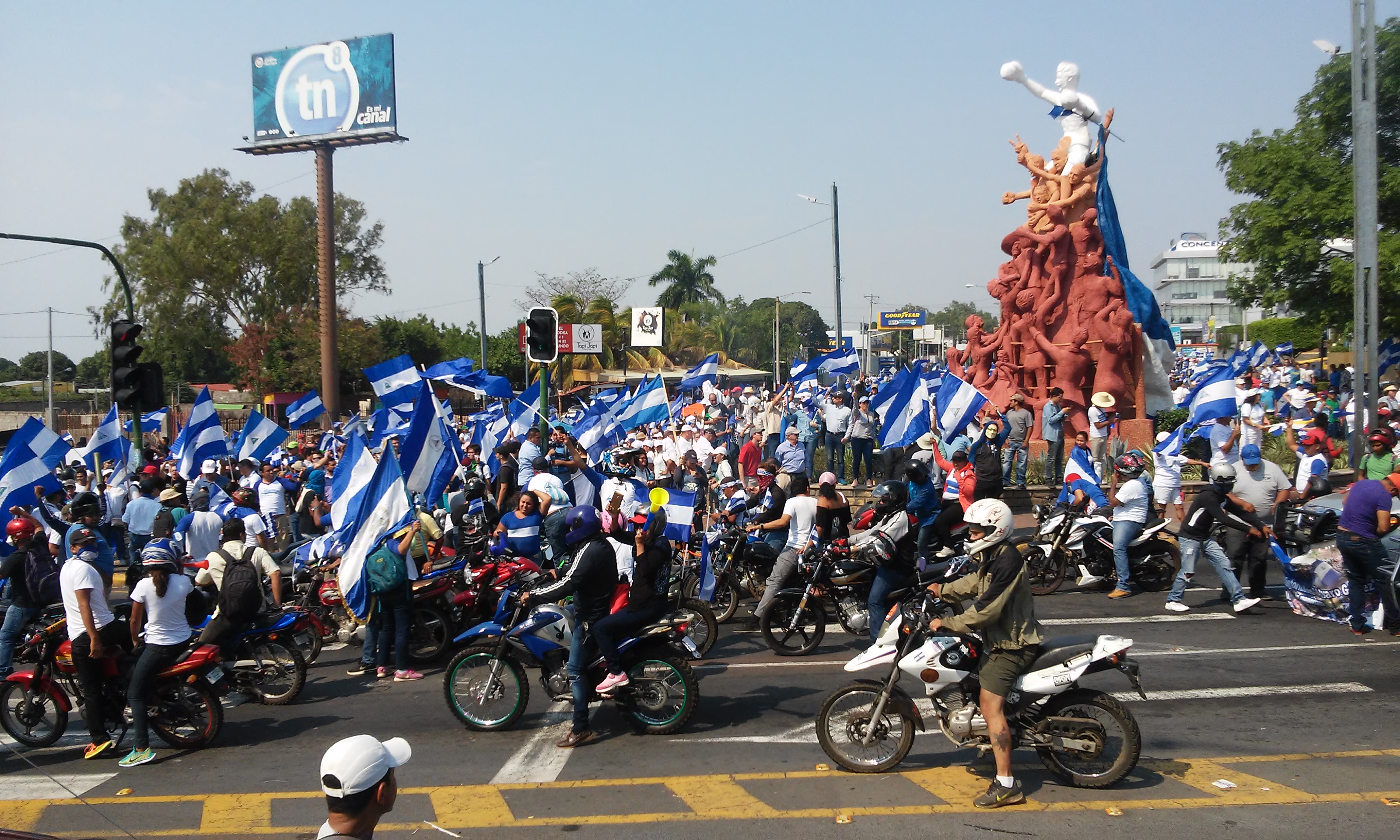
The next presidential election had been expected in 2027. Associated Press reporting this week described lawmakers advancing Ortega’s plan to abolish elections, while the United Nations human rights chief insisted that Nicaraguans of every viewpoint must be able to vote and seek office.
This follows an established pattern. Before Nicaragua’s disputed 2021 election, major opposition figures were detained. Constitutional changes approved in 2025 elevated Rosario Murillo, Ortega’s wife, to co-president and extended the presidential term to six years. Each step made political power more concentrated and public accountability less available.
A DEMOCRATIC SYSTEM, DISASSEMBLED
2021 | Competition is neutralized
Opposition leaders are detained before voters can choose among meaningful alternatives. A ballot still exists, but the field has already been cleared.
2025 | Executive power is redesigned
The constitution is changed to formalize a co-presidency and lengthen the term. What looks procedural also changes who can realistically challenge the ruling family.
2026 | Elections themselves become optional
Ortega’s declaration makes the final logic explicit: if the government alone embodies the nation, then competitive elections can be portrayed as unnecessary.
AN ELECTION IS MORE THAN A BALLOT
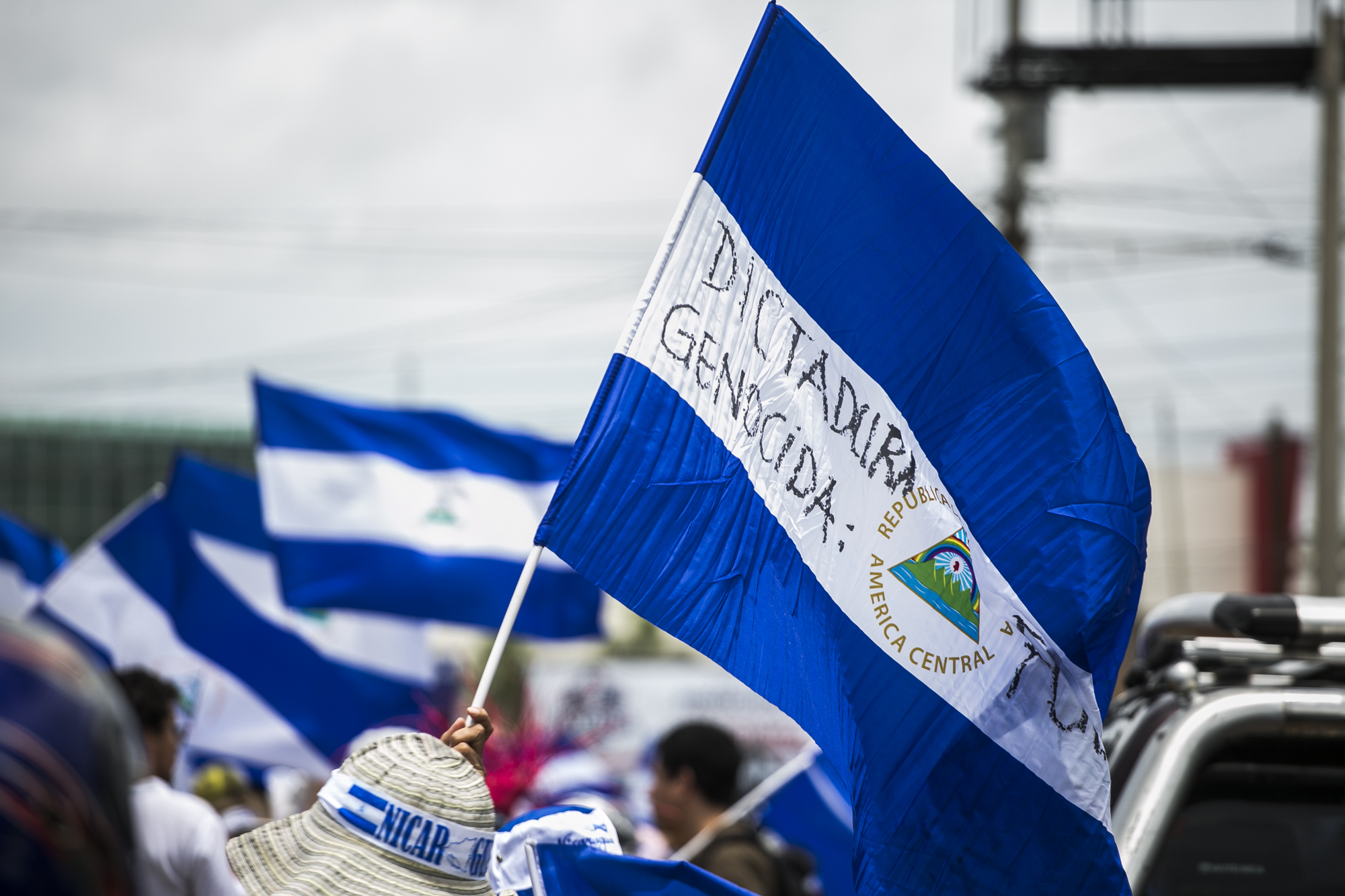
Democracy depends on institutions that make uncertainty possible. Rulers must be able to lose. Opposition parties must be able to organize. Journalists must be able to report without fearing prison or exile. Courts and legislatures must be more than extensions of the presidency.
Remove those conditions and election day becomes theater. Remove election day too, and the regime admits what the theater was hiding.
The warning extends beyond Nicaragua. Democratic erosion often arrives dressed as efficiency, stability or national unity. Leaders claim that opposition creates chaos, that independent media spreads lies, or that institutions stand in the way of action. The public is asked to trade friction for order. Yet friction is precisely what prevents unchecked power.
THE QUESTION AFTER THE BALLOT
The international response should not focus only on whether a new electoral law passes. It should ask what space remains for civic groups, independent newsrooms, churches, students, exiles, and political prisoners. A country can lose democratic life long before the constitution acknowledges it.
Nicaragua’s crisis is not simply a story about one leader refusing an election. It is a case study in how a government converts temporary control into permanent rule, one institution at a time.
When a ruler says voting is over, the democratic emergency began years earlier.
✦ DOCUMENTS BEHIND THIS STORY
This analysis is grounded in Associated Press reporting on Nicaragua’s move to abolish elections and Reuters coverage of Daniel Ortega’s declaration and the country’s recent constitutional changes. Developments were checked immediately before scheduling.


