Homegrown: Class Inequality and Conservative Predation in the Southern US
Mullets, red hats, and American flag apparel have become shorthand for the American South in the popular imagination. Southern culture is too often portrayed as synonymous with cruelty and bigotry. Popular media tends to depict the region as impoverished and uneducated, classist stereotypes that go largely unchallenged because the South is also framed as cruel and therefore undeserving of the compassion typically extended to struggling communities.
Southern Roots
That image obscures a more complicated history. Much of traditional Southern culture is rooted in diversity and community. Its food and music draw from traditions across Europe, the Americas, and Africa, a blend without which Southern culture as it is known today would not exist. Hospitality and manners, two more traits associated with Southern pride, also depend on an openness to others, a quality that has grown harder to find in the region's current political climate.
That openness has come under pressure from an economic culture built on individualism, one that many conservative lawmakers actively promote. The American dream remains a powerful idea in the South, and just as elusive as it has long been elsewhere. Even residents living in poverty often believe the system can still work for them, that enough effort will eventually lead to better circumstances. That belief helps explain why so much of the region continues to vote Republican and to prioritize self-reliance over the communal traditions that once defined rural life. The South's enduring emphasis on freedom is difficult to square with the financial insecurity so many of its residents live with.
Book Bans and Anti-Education Sentiments
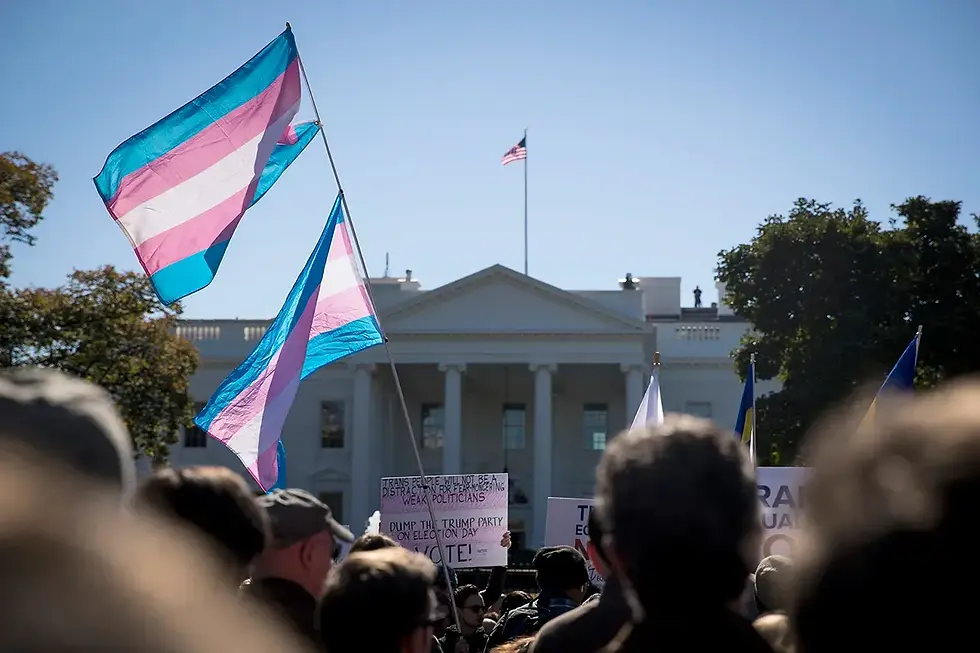
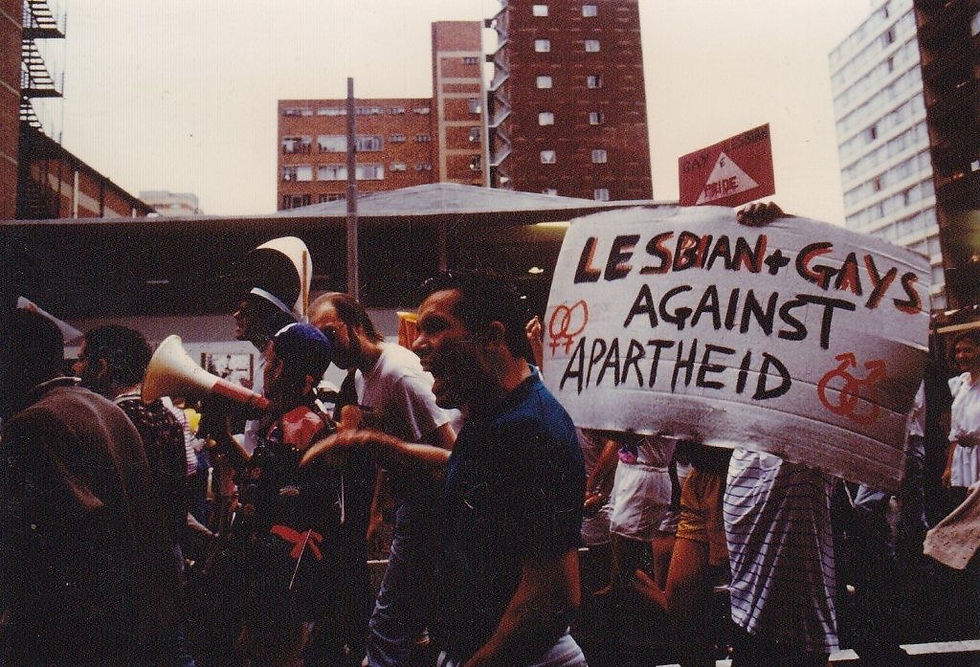
Policy choices across the region have also limited Southern communities' exposure to their own diversity. The South has long been home to a wide range of people: Black and white farmers, queer cowboys and ranchers, communities that worked the same land and the same jobs. Much of that history has since been obscured. Book bans, legislation like Florida's “Don't Say Gay” law, and a growing presence of religious material in public schools have reshaped how the South understands itself. The cumulative effect is a narrative in which the region's diversity is treated as a recent and threatening development rather than a long-standing feature of its identity, and diversity itself becomes a convenient explanation for persistent poverty.
The South's poverty has little to do with transgender children or immigrants. It has far more to do with an education system that offers fewer opportunities than its Northern counterparts. The resulting cycle is self-perpetuating: limited funding restricts access to education, and limited education restricts the earning power needed to escape poverty. Politicians who campaign on ending generational poverty often oppose the policies most likely to interrupt that cycle, including expanded food assistance and tuition-free college.
Fearmongering
Conservative media also tends to target rural audiences, frequently invoking religious belief to cast anyone perceived as different as a threat. In communities where tradition and family carry significant weight, even an imagined threat can register as urgent. Relative isolation and limited educational access make that kind of messaging especially effective, particularly for Southerners who already feel mocked or dismissed by mainstream media. Content that appears to speak directly to Southern audiences, rather than about them, tends to find an especially receptive audience.
Accountability and Empathy
None of this is to say empathy for the South excuses the consequences of its political choices. These voting patterns have roots in inequality, but that context doesn't erase individual responsibility for the harm such choices cause others, even when the people most directly affected by these systems do not always recognize the full extent of that harm themselves. The Southern US is in a difficult position, but not an unsalvageable one. It's easy for critics outside the region to write the South off entirely, but that framing overlooks the cultures and minority communities that continue to call it home despite hostile legislation. Abandoning those communities to a political climate working against them would only make their position more precarious.